

The Fragrance That Redefined Modern Masculinity
There are perfumes, and then there is Dior Sauvage. Since its launch in 2015, this iconic fragrance has done something remarkably rare in the world of fine perfumery — it became both a critical darling and a mainstream phenomenon at the same time. Created by master perfumer François Demachy and fronted by actor Johnny Depp, Sauvage was never shy about its ambitions: it wanted to smell like freedom itself.
The name “Sauvage” is French for “wild” — and the fragrance delivers on that promise with a sweeping, almost cinematic opening of Calabrian bergamot and ambroxan. It doesn’t whisper; it announces. In a market flooded with safe, forgettable scents, Sauvage took a bold stance and the world responded. Within two years of launch, it had climbed to the top of global fragrance charts and has never really left.
Why It Matters
Dior Sauvage isn’t just popular — it’s a cultural reference point. It has reshaped what mainstream masculine perfumery looks and smells like in the 21st century.
Who It’s For
From boardrooms to beach holidays, from first dates to everyday wear — Sauvage is engineered to work everywhere, on almost anyone.
But here’s the thing: “Dior Sauvage” is no longer just one perfume. It is now a family of three distinct interpretations — the Eau de Toilette, the Eau de Parfum, and the Parfum — each designed with a different character and purpose. Add to that a range of bottle sizes, limited editions, and gift sets, and shopping for Sauvage becomes genuinely complex. This guide cuts through all the noise.
Whether you’re buying Sauvage for the first time, upgrading to a stronger concentration, or searching for the perfect gift, this comprehensive guide covers everything you need to make a confident, informed purchase — without a single wasted rupee.
What Does Dior Sauvage Actually Smell Like?
Understanding the scent DNA of Sauvage is the first step toward choosing the right version. At its heart, every variant of Sauvage is built around two pillars: bergamot (a bright, zesty Italian citrus) and ambroxan (a synthetic molecule derived from ambergris that creates a warm, skin-like, almost magnetic quality). Everything else in the formula exists to frame, deepen, or lift these two ingredients.
The overall effect is what perfumers call a “fougère-aquatic” structure — meaning it sits somewhere between a fresh, sporty scent and a warm, woody masculine. It opens with an almost electric citrus burst, then dries down into a smooth, peppery-woody base that clings to the skin for hours. The dry-down is where Sauvage becomes addictive: that particular blend of pepper, vetiver, and ambroxan creates a scent that smells undeniably clean yet surprisingly sensual.
Fragrance communities often describe the sillage (the trail Sauvage leaves in a room) as “crowd-pleasing without being generic.” It performs brilliantly in offices, on dates, and in social settings — making it one of the most genuinely versatile fragrances on the market today.

EDT vs EDP vs Parfum — Which One Should You Buy?
This is the single most important question a Sauvage buyer faces. The three concentrations are not simply “stronger” versions of each other — they are genuinely different interpretations of the same core DNA, each suited to different personalities, climates, and use cases.
Sauvage EDT
The original and most iconic. Bright, fizzy, and fresh. Best for hot weather, daytime use, and active lifestyles. Longest track record of performance compliments.
Sauvage EDP
Darker and more complex. Adds a creamy Sichuan pepper and a deeper wood base. Better for cooler months, evenings, and those who prefer more projection.
Sauvage Parfum
The premium tier. Quieter, closer-to-skin, but longer-lasting. More lavender-forward with an almost leathery depth. For those who prefer intimate sophistication.
As a general rule: if you live in a warm climate like Pakistan, the EDT shines in summer while the EDP performs better in winter months. The Parfum is ideal as an elevated everyday signature scent that rewards close encounters rather than broadcasting across a room.
Dior Sauvage — Full Comparison Table
| Feature | Sauvage EDT | Sauvage EDP | Sauvage Parfum |
|---|---|---|---|
| Launch Year | 2015 | 2018 | 2019 |
| Concentration | ~8–12% aromatic compounds | ~12–20% aromatic compounds | ~20–30% aromatic compounds |
| Top Notes | Calabrian Bergamot, Pepper | Bergamot, Sichuan Pepper | Bergamot, Lavender |
| Heart Notes | Lavender, Geranium, Elemi | Lavender, Patchouli, Vetiver | Heliotrope, Lavender, Sandalwood |
| Base Notes | Ambroxan, Cedar, Labdanum | Ambroxan, Musks, Vetiver | Ambroxan, Haitian Vetiver, Sandalwood |
| Longevity | 6–8 Hours | 8–12 Hours | 10–14 Hours |
| Sillage (Projection) | High | Very High | Moderate (Skin-close) |
| Best Season | Spring / Summer | Autumn / Winter | All Year Round |
| Best Occasion | Casual / Office / Sport | Evening / Dates / Winter | Daily Signature / Special Events |
| Approx. Price (100ml) | $85 – $110 | $95 – $125 | $120 – $150 |
Breaking Down the Key Ingredients
To truly appreciate why Sauvage smells the way it does, it helps to understand its most critical building blocks. François Demachy was not interested in creating just another fresh masculine — he wanted something that felt rooted in the natural world while being unmistakably modern.
The Calabrian Bergamot sourced for Sauvage is single-origin — grown exclusively in the Calabria region of southern Italy, where volcanic soil and Mediterranean sun produce a bergamot oil of unmatched quality. This ingredient alone distinguishes Sauvage from cheaper competitors who use synthetic bergamot alternatives.
Ambroxan — the molecule responsible for Sauvage’s signature “skin” quality — is worth understanding. Derived from ambergris (historically secreted by sperm whales), modern ambroxan is entirely synthetic and cruelty-free. It interacts uniquely with each person’s body chemistry, which is why Sauvage smells subtly different on every individual who wears it. This personal quality is part of what makes it feel so intimate despite being a mass-market fragrance.
Pro Tip: How to Test Before You Buy
Smelling Sauvage on a blotter strip at a counter gives you only 10% of the full picture. Here’s how to test properly:
- Spray on your wrist, not in the air — Sauvage reacts with your skin chemistry
- Wait 30 minutes before judging — the dry-down is completely different from the opening
- Test in a mall environment, then step outside — outdoor air reveals the sillage
- Test EDP and EDT on different arms on the same day to directly compare
How Long Does Dior Sauvage Actually Last?
Longevity is one of the most debated aspects of any fragrance — and Sauvage is no exception. The answer, as with most perfume questions, is: it depends. Skin type, humidity, temperature, and application method all play a role. However, based on real-world testing and community consensus, here’s what you can genuinely expect.
The EDT typically delivers 6 to 8 hours of noticeable scent on most skin types. In hot, humid weather — think Lahore in July — this may feel shorter because heat accelerates diffusion. However, this same effect creates an incredible sillage in the first two hours, often drawing compliments before the scent fully settles into your skin.
The EDP comfortably lasts 8 to 12 hours, making it a workhorse of versatility for those who want a single spray to carry them from office to evening plans. The Parfum, despite being quieter in projection, can last up to 14 hours on the right skin type — often detectable on clothing the following morning.
A practical tip: apply Sauvage to pulse points that don’t rub together — the neck just below the jaw, the inner elbows, and behind the knees if you want a trail. Avoid rubbing your wrists together; this breaks down the molecular structure and shortens performance.
Price, Sizes, and How to Spot a Fake
Dior Sauvage is one of the most counterfeited fragrances on the planet. Its popularity makes it a prime target for sophisticated forgeries that can be difficult to spot without knowing what to look for. Always buy from Dior boutiques, authorised department stores, or reputable platforms like Sephora, Boots, or Dior’s official website.
The fragrance comes in several sizes: 30ml (great for travel), 60ml (a balanced choice for first-time buyers), 100ml (the best value per ml), and 200ml (for dedicated fans). Gift sets often include a matching shower gel or deodorant stick and represent excellent value during seasonal promotions.
When authenticating a bottle, check the following: the engraving on the cap should be clean and precise with no smearing; the juice itself should be crystal-clear with a faint blue tint in the EDT; the serial number on the box should match the number embossed on the bottle base; and the font on the packaging should be sharp, never fuzzy or slightly off-center. If a price seems too good to be true, it almost certainly is.
When, Where, and How to Wear Dior Sauvage
One of Sauvage’s greatest strengths is its contextual flexibility. Very few fragrances at any price point can claim to be genuinely appropriate for a corporate meeting, a casual Friday, a romantic dinner, and a weekend hike. Sauvage manages all four. That said, matching the concentration to the context elevates the experience considerably.
For professional environments, the EDT is the safest choice — it projects enough to be noticed without overwhelming a shared office space. For romantic or social occasions, the EDP’s richer, more complex dry-down creates a more compelling, memorable impression. For travel or all-day events where you need longevity without reapplication, the Parfum is unmatched.
In terms of layering, Sauvage pairs beautifully with the matching Dior Sauvage shower gel as a base, which extends the scent and improves its performance on the skin. Some enthusiasts also layer it lightly over a neutral skin-care moisturiser to improve the “bloom” of the fragrance — the way it expands off warm skin.
Should You Buy Dior Sauvage in 2024?
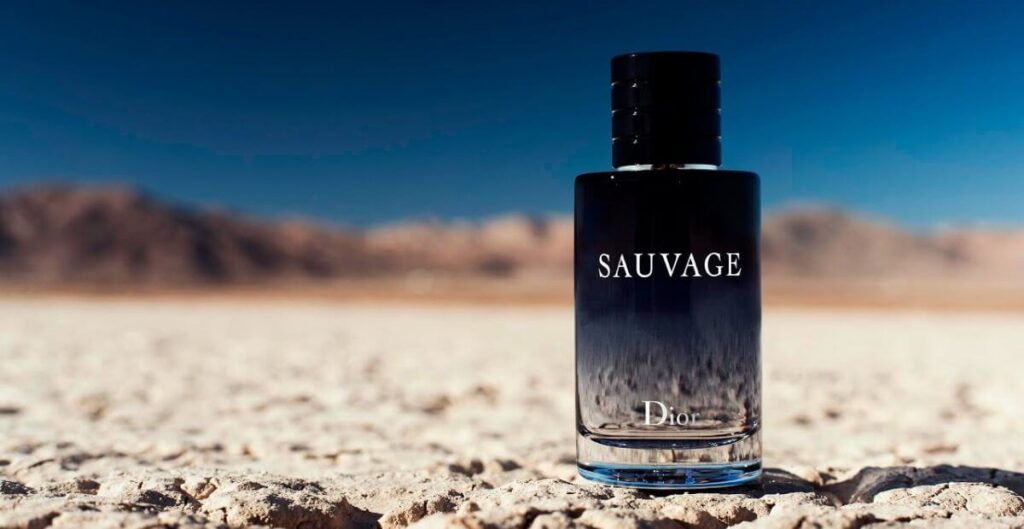
The honest answer is: yes — with the right expectations. Dior Sauvage is not an underdog discovery or a niche hidden gem. It is the world’s best-selling men’s fragrance, and it holds that title for legitimate reasons. The quality of materials, the skill of formulation, and the sheer wearability of the scent are genuinely exceptional at the mass-luxury price point.
The only real risk in buying Sauvage is disappointment born from unrealistic expectations. It will not smell unique on you in the way a niche perfume from a boutique house might — because millions of other people wear it too. But here’s the thing: those millions are not wrong. Some fragrances earn their popularity through clever marketing; Sauvage earns it through quality.
If you’re new to fine fragrance, Sauvage EDT is one of the best possible starting points — it teaches your nose what quality citrus-woody masculinity smells like, it performs reliably, and it will almost certainly earn you compliments. If you’re an experienced collector looking for one high-performing crowd-pleaser to simplify your rotation, the EDP is the version that rewards you most richly over time.


