

Fragrances have long been an essential part of human life, influencing not only personal hygiene and style but also emotional and psychological well-being. From ancient civilizations that used aromatic oils in rituals to modern-day perfumes and scented products, the role of fragrance has evolved while maintaining its deep connection with human emotions. Scents are more than just pleasant additions—they have the power to shape how we feel and respond to the world around us.
The sense of smell is one of the most powerful and sensitive human senses. Unlike sight or hearing, it is directly connected to the brain’s emotional and memory centers. This is why a simple fragrance can instantly trigger a feeling of happiness, nostalgia, relaxation, or even discomfort. The impact is often immediate and subconscious, making scent a unique and influential factor in our daily experiences.
In today’s fast-paced world, fragrances are widely used to create specific moods and environments. Whether it is a calming lavender scent in a bedroom, a refreshing citrus aroma in a workspace, or a luxurious perfume worn for confidence, scents play a key role in enhancing emotional states. Many industries, including wellness, retail, and hospitality, actively use fragrances to influence behavior and improve experiences.
Understanding how fragrances affect our mood and emotions allows individuals to use them more intentionally. By choosing the right scents, people can reduce stress, improve focus, and create a more positive atmosphere in their personal and professional lives. This growing awareness highlights the importance of fragrance as a powerful tool for emotional well-being.
The Science Behind Scent and Emotion
The sense of smell is directly linked to the limbic system, the part of the brain responsible for emotions, memories, and behavior. When a scent is inhaled, odor molecules travel through the nasal passages and interact with olfactory receptors. These receptors send signals to the brain, triggering emotional and physiological responses almost instantly.
Unlike other senses, smell bypasses rational processing and connects directly to emotional centers. This explains why certain aromas can evoke vivid memories or sudden mood changes without conscious thought.
Emotional Responses to Different Fragrances
Different types of scents can influence mood in specific ways:
- Floral fragrances such as rose and jasmine often promote relaxation, comfort, and a sense of romance.
- Citrus scents like lemon and orange are known to boost energy, improve focus, and create a refreshing atmosphere.
- Woody aromas, including sandalwood and cedarwood, tend to provide grounding effects and reduce stress.
- Herbal scents such as lavender and chamomile are widely used to encourage calmness and better sleep.
These responses are not purely psychological; they can also affect physical states such as heart rate, stress levels, and alertness.
Fragrance and Memory Connection
One of the most fascinating aspects of scent is its strong association with memory. A particular fragrance can instantly transport someone back to a specific moment, place, or experience. This phenomenon occurs because smell and memory share neural pathways in the brain.
For example, a familiar perfume might remind someone of a loved one, while the scent of rain may evoke childhood memories. This deep connection makes fragrance a powerful tool in emotional recall and personal identity.
How Fragrances Affect Our Mood and Emotions – Value Table
| Fragrance Type | Examples | Emotional Impact | Mental Effect | Common Use |
|---|---|---|---|---|
| Floral | Rose, Jasmine | Calmness, Romance, Comfort | Reduces anxiety, promotes relaxation | Perfumes, bedrooms, self-care |
| Citrus | Lemon, Orange, Bergamot | Energy, Freshness, Positivity | Boosts focus, improves alertness | Offices, kitchens, workplaces |
| Woody | Sandalwood, Cedarwood | Grounding, Warmth, Stability | Reduces stress, enhances clarity | Meditation, luxury spaces |
| Herbal | Lavender, Chamomile | Relaxation, Peace, Sleepiness | Improves sleep, reduces tension | Sleep aids, spas, bedrooms |
| Spicy | Cinnamon, Clove | Warmth, Excitement, Comfort | Stimulates senses, increases energy | Winter scents, festive environments |
| Fresh/Green | Grass, Mint, Eucalyptus | Refreshing, Clean, Revitalizing | Clears mind, enhances breathing | Bathrooms, gyms, wellness centers |
| Sweet | Vanilla, Caramel | Happiness, Comfort, Nostalgia | Uplifts mood, reduces stress | Candles, home fragrances |
Influence on Daily Life and Behavior
Fragrances are widely used in various environments to influence mood and behavior:
- In workplaces, subtle scents can enhance productivity and concentration.
- Retail stores often use pleasant aromas to create a welcoming atmosphere and encourage purchasing decisions.
- Homes benefit from calming fragrances that reduce stress and promote relaxation after a long day.
Even personal fragrance choices can affect confidence and social interactions, shaping how individuals perceive themselves and how others respond to them.
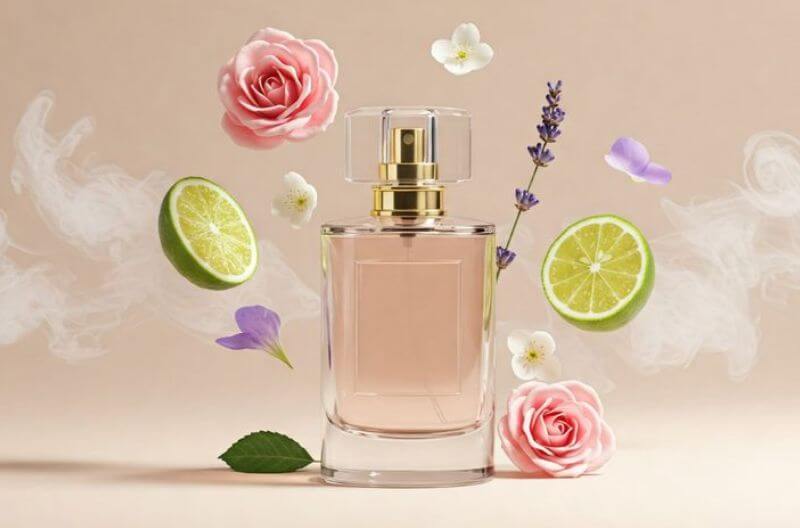
Aromatherapy and Well-being
Aromatherapy is a practice that uses essential oils and natural scents to improve mental and physical health. It has gained popularity due to its ability to reduce anxiety, improve sleep quality, and enhance emotional balance.
While not a replacement for medical treatment, aromatherapy can complement wellness routines by providing a natural way to manage stress and improve mood.
Conclusion
Fragrances have a profound and immediate impact on human emotions due to their direct connection with the brain’s emotional and memory centers. Whether calming, uplifting, or grounding, different scents can shape how we feel and respond to our surroundings. This unique relationship between scent and emotion makes fragrance more than just a sensory experience—it becomes a powerful tool for influencing mood.
In everyday life, the intentional use of fragrances can enhance well-being, improve focus, and create a more balanced emotional state. From personal perfumes to home environments and professional spaces, scent plays a subtle yet significant role in shaping experiences and behavior.
By understanding the emotional effects of fragrances, individuals can make more mindful choices, using scents to support relaxation, boost energy, and create positive, lasting impressions in both personal and social settings.


